This domain is for sale!
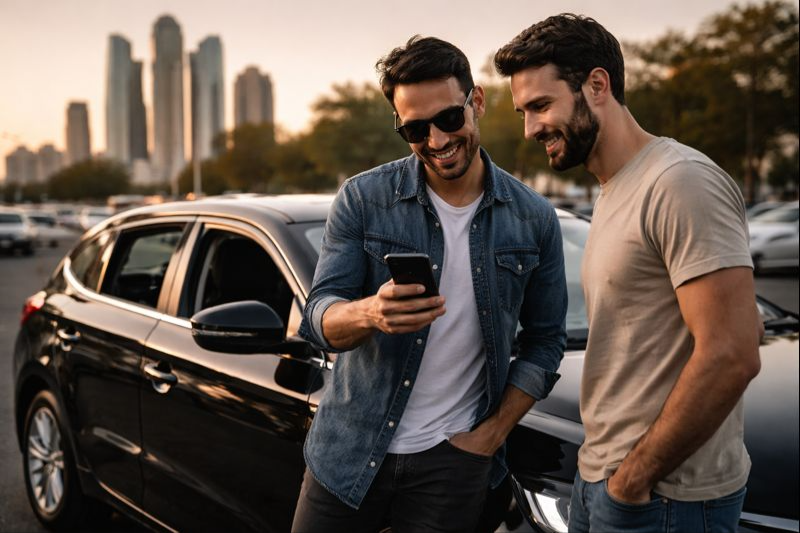
The Process of Buying a Second-Hand Car in Dubai

The Process of Buying a Second-Hand Car in Dubai
Buying a second-hand car in Dubai can be an exciting experience. The market is filled with numerous options, ranging from affordable daily drivers to high-end luxury models. Whether you are a first-time buyer or a seasoned car owner, knowing the proper steps will ensure you get a good deal. The process of buying a second-hand car in Dubai involves understanding the market, inspecting the car, finalizing the price, and completing all the paperwork.
Dubai’s used car market is vast and diverse. There are numerous platforms where you can find second-hand cars for sale. Knowing where to look and how to evaluate each car will help you make an informed decision. Here’s a guide to walk you through the entire process.
Step 1: Know Where to Look for a Second-Hand Car
The first step in the process of buying a second-hand car in Dubai is knowing where to look. Many buyers search for cars through online platforms such as iCarsU.com, local dealerships, or car auctions. Each platform offers its own advantages.
Online platforms often allow you to filter results based on your preferences, such as make, model, year, and price. You can also view detailed pictures and read about the car’s specifications. iCarsU.com stands out for its easy-to-use interface, clear pricing, and the option to filter results by location, ensuring that you can find a car near you in Abu Dhabi or anywhere else in the UAE.
You can also visit local dealerships. While they may not always offer the best deals, you may get better peace of mind, as they usually provide warranties on used cars. Finally, don’t overlook the option of car auctions. They can be a good place to buy cars at a discounted rate, though the risks can be higher without proper inspection.
Step 2: Inspect the Car Thoroughly
Once you find a car you’re interested in, the next step is to inspect it. Never skip this step, as it ensures you’re getting a reliable vehicle. You should check both the exterior and interior of the car. Start by inspecting the bodywork for any dents, scratches, or signs of previous accidents. Be wary of cars that have been repainted, as this might indicate previous damage.
The tires are another critical aspect to check. Worn-out tires can be an expensive fix. Take a look at the condition of the brakes, the exhaust system, and the lights. Ask the seller about the car’s service history. A well-maintained car is more likely to run smoothly for a longer period.
If you’re not familiar with cars, it’s wise to hire a professional mechanic to inspect the vehicle for you. iCarsU.com offers an optional third-party inspection for buyers, ensuring that the car has passed all safety checks.
Step 3: Negotiate the Price
When you’ve decided that the car meets your expectations, it’s time to negotiate the price. Negotiating is a normal part of the process of buying a second-hand car in Dubai. The price listed is often not set in stone, and you may be able to get a better deal. Be polite but firm. Research similar cars in the market to understand what the fair price is. The seller may offer a lower price if you can point out any issues during the inspection.
If you’re buying from a dealership, check if they offer financing options. Many dealerships in Dubai provide easy finance plans that make buying a used car more affordable. However, remember that you may be able to find better deals by negotiating directly with private sellers.
Step 4: Verify the Car’s Documents
Before moving forward with any payment, verify the car’s documents. This is one of the most important parts of the process of buying a second-hand car in Dubai. The car’s registration document, known as the Mulkiya, should be in the seller’s name. Make sure that the VIN (Vehicle Identification Number) on the registration matches the one on the car.
Ensure the car is free of any outstanding loans or fines. The last thing you want is to buy a car with hidden financial problems. If you buy the car from a dealership, they should help you with all the necessary paperwork.
Step 5: Transfer Ownership
Once everything checks out, you can proceed with transferring ownership. You’ll need to go to the Dubai Road and Transport Authority (RTA) or any authorized center for this. Both parties (the buyer and the seller) will need to sign the transfer documents. The seller should provide you with the original Mulkiya, the car insurance certificate, and a copy of the inspection report (if applicable).
In addition to that, ensure the car is insured before taking it on the road. You’ll need a valid insurance policy before the RTA can transfer the ownership into your name. It’s a straightforward process if all the documents are in order.
Step 6: Pay and Finalize the Deal
Once the paperwork is sorted, you can proceed with the payment. Make sure to pay through a secure method, such as a bank transfer or cheque. If you’ve negotiated a deal with the seller, finalize the price and sign the necessary agreements. Once the payment is made, you will receive the keys to your new car.
If you’re financing the car, the dealership will guide you through the loan agreement and payment terms. Be sure to read everything carefully and ask questions about any fees or terms you don’t understand. After paying, you’ll receive your new car’s registration certificate, and you’re good to go.
What If You Need to Sell a Car?
Sometimes, when looking to buy a second-hand car, you may find yourself needing to sell a vehicle in order to make space or upgrade. If that’s the case, you can easily sell your car near me through local platforms or dealerships. Many car-buying services in Dubai offer free evaluations and quick cash offers for your used car.
Selling a car can be a straightforward process. First, get your car appraised by a trusted dealer. You can do this through iCarsU.com, which will give you an accurate valuation based on the current market trends. The platform also allows you to sell any car quickly, regardless of its make, model, or condition.
Once you’ve received an offer, make sure to have all the required documents ready. This includes your car’s registration, service records, and proof of ownership. After the sale is finalized, the buyer will take care of transferring the ownership, leaving you free to buy your next vehicle.
Final Tips to Remember
-
Always check the car’s history before buying.
-
Be cautious of cars that are too cheap or too good to be true.
-
Use a trusted platform or dealership like iCarsU.com for both buying and selling.
-
Make sure the car is well-maintained to avoid future repairs.
-
Don’t rush into a purchase; take your time to find the right car.
Following these simple steps will ensure you make a safe and sound purchase in the vibrant used car market of Dubai.
How can I sell my car near me in Abu Dhabi?
You can easily sell your car near me in Abu Dhabi by using trusted platforms like iCarsU.com, which offer free evaluations and quick sales. You can also visit local dealerships or car buying services that operate throughout the UAE. These services often provide immediate cash offers and handle all the paperwork, making the process fast and hassle-free.
What are the best platforms for buying a second-hand car in Abu Dhabi?
For those looking to buy a second-hand car in Abu Dhabi, iCarsU.com is an excellent choice. It has a wide selection of cars and allows you to filter by location, model, and budget. You can also find listings on local dealerships or car showrooms in Abu Dhabi. Many of these dealerships offer warranties and post-sale support, making them a reliable option.
Can I buy a second-hand car from a private seller in Abu Dhabi?
Yes, you can buy a second-hand car from a private seller in Abu Dhabi. Many people list their vehicles for sale through online platforms like iCarsU.com or local classifieds. However, it’s important to carefully inspect the car and verify the documents before making a deal. When purchasing from a private seller, there may not be any warranties, so you should make sure the car is in good condition.
Are there any additional costs when buying a second-hand car in Dubai or Abu Dhabi?
Yes, there are a few additional costs to keep in mind when buying a second-hand car in Abu Dhabi or Dubai. These can include registration fees, insurance, road tax, and possible repairs. You may also need to pay for a third-party inspection if you’re unsure about the car’s condition. Be sure to budget for these extra costs when considering your purchase.
How can I avoid scams when buying a second-hand car in Dubai or Abu Dhabi?
To avoid scams during the process of buying a second-hand car in Dubai or Abu Dhabi, it’s important to buy from trusted platforms like iCarsU.com or well-established dealerships. Always check the car’s documents, including registration and service history, and consider hiring a mechanic for a thorough inspection. If a deal seems too good to be true, it probably is—so exercise caution and do your research.