This domain is for sale!
How to Buy a Second-Hand Car in Abu Dhabi

How to Buy a Second-Hand Car in Abu Dhabi: A Simple Step-by-Step Guide
Buying a second-hand car in Abu Dhabi can be a smooth process if you follow the right steps. With so many options available, it’s easy to get overwhelmed. However, by understanding the key procedures involved, you can make a more informed decision and avoid any unexpected surprises. Whether you are buying your first car or upgrading, here’s a simple guide to help you through the process.
1. Understand Your Budget and Financing Options
Before you begin searching for a second-hand car, it is crucial to set a budget. Determine how much you can comfortably spend on your new car, considering your savings and your ability to pay monthly installments, if necessary. In Abu Dhabi, many banks offer financing options for used cars, so it’s a good idea to check with your bank to understand your loan eligibility.
Keep in mind that buying a second-hand car often comes with additional costs like registration, insurance, and minor repairs. Make sure to include these in your budget. It’s also wise to research the average price for the car you want to buy so you can identify fair deals in the market.
2. Research Your Options
Once you’ve set your budget, it’s time to research the types of cars that meet your needs. In Abu Dhabi, you’ll find a wide range of second-hand cars, from compact city cars to large family SUVs. Consider factors like:
-
Fuel efficiency: Cars that consume less fuel will save you money in the long run.
-
Maintenance costs: Some brands require more expensive repairs and parts than others.
-
Age of the car: Generally, newer cars are in better condition and may have fewer problems.
Many websites and platforms allow you to filter your search by these factors. Look for reputable websites that feature listings of second-hand cars in Abu Dhabi. When browsing through options, check if the car has a detailed history report available.
3. Inspect the Car’s Condition
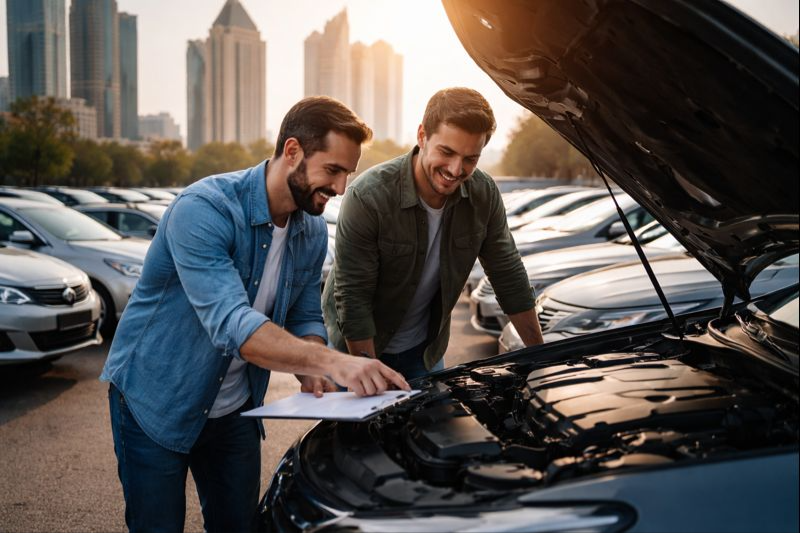
Once you’ve shortlisted a few cars, the next step is to inspect their condition. You can choose to inspect the car yourself or hire a professional mechanic to do a thorough check for you. While it’s important to visually check the exterior for signs of accidents, such as dents or scratches, the interior should also be carefully examined.
Make sure to:
-
Check the engine: Look for signs of wear, leakage, or unusual sounds.
-
Examine the tires: Ensure the tires are in good condition and have even tread wear.
-
Inspect the body: Pay attention to rust spots, scratches, or dents.
-
Test the brakes and suspension: These parts are crucial for your safety and should be in good working condition.
If you aren’t familiar with car mechanics, hiring an expert can save you a lot of time and trouble.
4. Ask for the Car’s History
Every used car comes with a history, and it’s essential to know that history before making a purchase. A detailed report will reveal any accidents, previous ownership, and whether the car was well-maintained.
Check if the car has a valid service record. This will indicate whether the car was regularly serviced and whether any major parts were replaced. If the seller cannot provide this information, it could be a red flag.
5. Negotiate the Price
Once you’ve thoroughly inspected the car and have a good understanding of its history, it’s time to negotiate the price. Don’t be afraid to haggle. In Abu Dhabi, car prices can often be flexible, so it’s important to aim for a price that fits within your budget.
If you find any issues during the inspection, use them as leverage to negotiate a lower price. For example, if the car has a dent that will cost money to repair, ask the seller to lower the price accordingly.
6. Verify the Legal Paperwork
Before finalizing the deal, ensure that the car has all the necessary legal documents. You should request the following from the seller:
-
Car registration: Make sure the car is registered under the correct name and that there are no pending fines or violations.
-
Insurance: Check if the car is covered by valid insurance, or if you’ll need to arrange for new coverage.
-
Emissions Test Certificate: Ensure the car has passed any emissions or safety tests required by the UAE authorities.
The seller should also provide a No Objection Certificate (NOC) if the car has an outstanding loan or financing.
7. Transfer Ownership
In Abu Dhabi, transferring ownership of a second-hand car requires a few steps at the Department of Transport (DoT). Both the buyer and seller need to be present to complete the transfer. Here’s what you’ll need:
-
Proof of identity: A valid Emirates ID or passport.
-
Vehicle registration: The original registration document.
-
Insurance: A valid insurance policy for the car.
-
Payment: Depending on the price, a bank draft or other accepted payment methods.
The process is usually straightforward, but it can take a few hours, so plan accordingly.
8. Register and Insure the Car
After successfully transferring ownership, the next step is to register the car in your name and insure it. You can do this at the DoT in Abu Dhabi, where you’ll need to present your documents and pay the registration fees. You’ll also need to provide proof of insurance, so make sure to finalize your insurance policy before heading to the DoT.
9. Sell Your Car
If you already own a car and are considering upgrading to a second-hand vehicle, you may want to sell your current car. There are several ways to do this, but the simplest and quickest option is to use a reputable platform like iCarsU.com to sell your car in Abu Dhabi. The site allows you to get an instant quote for your car, and you can sell it to trusted buyers quickly and easily.
In some cases, dealerships may offer a trade-in option, where they will buy your car and apply the value toward your new purchase. This can save you time and effort, but it might not always provide the best price.
10. Maintain Your Second-Hand Car
Once you’ve bought your second-hand car, it’s important to keep it in good working condition. Regular maintenance will help extend the lifespan of your vehicle and ensure that it runs smoothly. Schedule regular oil changes, tire checks, and brake inspections. Keep track of any repairs and replacements, and make sure your car always has valid insurance and registration.
When you properly maintain your second-hand car, you can enjoy many years of reliable service.
By following these steps, you’ll be able to navigate the process of buying a second-hand car in Abu Dhabi with confidence. Whether you’re looking for a compact car or a family SUV, being well-prepared will help you make a smarter choice. The key to a successful purchase is research, careful inspection, and ensuring all legal paperwork is in order. With these tips, you’ll be driving off in your new-to-you car in no time.
What are the common mistakes to avoid when buying a second-hand car in Abu Dhabi?
When buying a second-hand car in Abu Dhabi, avoid rushing into a decision without proper inspection. Many buyers overlook checking the car’s history or skip a mechanical inspection, which can lead to expensive repairs later on. Another common mistake is not negotiating the price—sellers may list cars with some wiggle room. Also, be careful about not reviewing the legal documents properly, as any missing or incorrect paperwork can cause delays or complications during the transfer of ownership.
How do I sell my car near me in Abu Dhabi quickly and safely?
To sell your car near you in Abu Dhabi quickly, you can use platforms like iCarsU.com, which provide a fast and secure way to sell any car. The site offers instant quotes, and the process is straightforward. Make sure your car is in good condition, and gather all necessary paperwork such as registration, insurance, and service history. With the right information and a competitive price, you can sell your car fast and with minimal hassle.
Can I trade in my used car while buying a second-hand car in Abu Dhabi?
Yes, many dealerships in Abu Dhabi offer a trade-in option, allowing you to sell your current car and apply its value toward the purchase of a second-hand car. This can save you time compared to selling your car separately, and some dealers may offer a fair trade-in price, especially if you’re purchasing from them. However, it’s always a good idea to compare the trade-in offer with other options to make sure you’re getting the best deal.
What should I check when buying a second-hand car from a private seller in Abu Dhabi?
When buying from a private seller in Abu Dhabi, it’s crucial to check the car’s history, including previous accidents or major repairs. Ensure the car has a valid registration and that the seller provides all required documents, such as the No Objection Certificate (NOC) if there’s any outstanding loan. Additionally, a thorough inspection of the car’s condition, including the engine, tires, and brakes, will help avoid future surprises. Always meet in person and complete the transaction in a public place to ensure security.
How long does the process of transferring ownership of a second-hand car take in Abu Dhabi?
Transferring ownership of a second-hand car in Abu Dhabi usually takes a few hours at the Department of Transport (DoT). You’ll need to bring all necessary documents, including the car registration, proof of identity, insurance, and payment. The process can be quick as long as all the paperwork is in order, but it’s a good idea to allocate extra time just in case. After the transfer is complete, you can proceed with registering the car and finalizing your insurance.